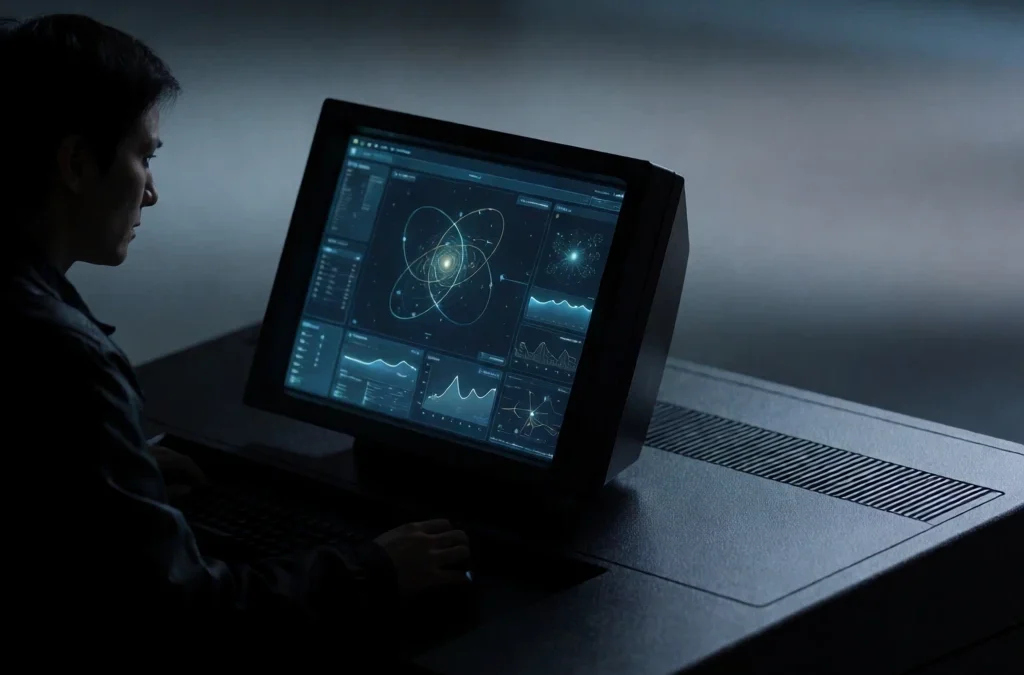
 Quantum simulation has quietly become one of the most consequential ideas in modern computational science, yet it remains widely misunderstood by the public and even by many working engineers. At its core, the concept describes the use of one controllable physical...
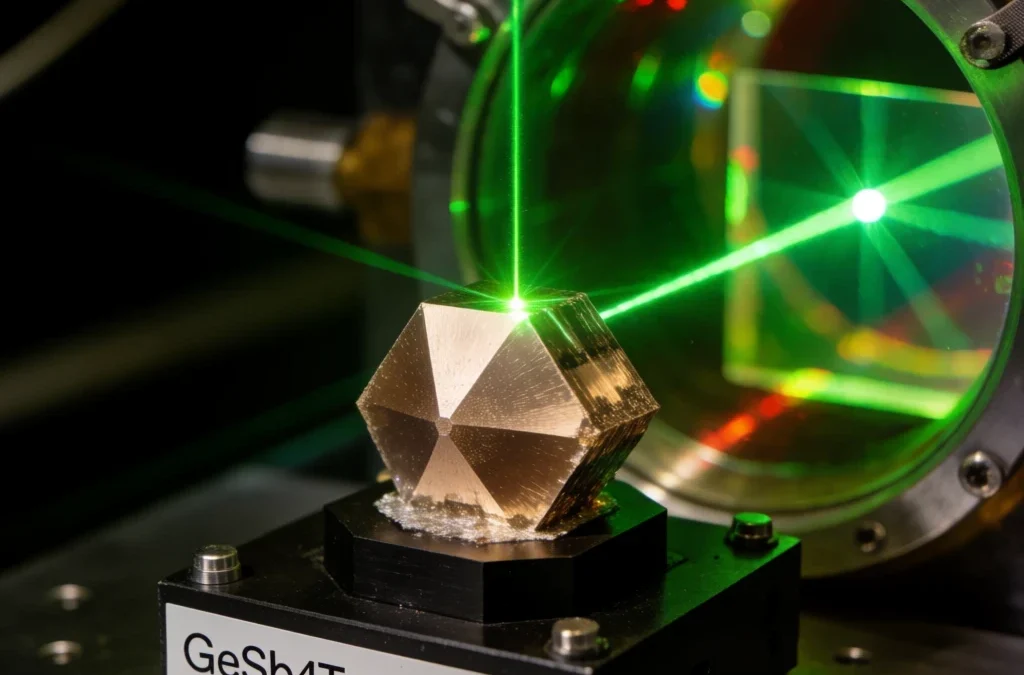 Quantum geometry has long occupied an uncomfortable position in condensed matter physics: it is indispensable to theory yet nearly invisible to experiment. The geometric structure of Bloch wavefunctions governs phenomena as diverse as the anomalous Hall effect,...
 Quantum cryptography has always sold itself on an elegant promise: physics, not mathematics, guarantees secrecy. An eavesdropper cannot copy an unknown quantum state without disturbing it, so any interception leaves fingerprints. Yet this promise rests on a hidden...
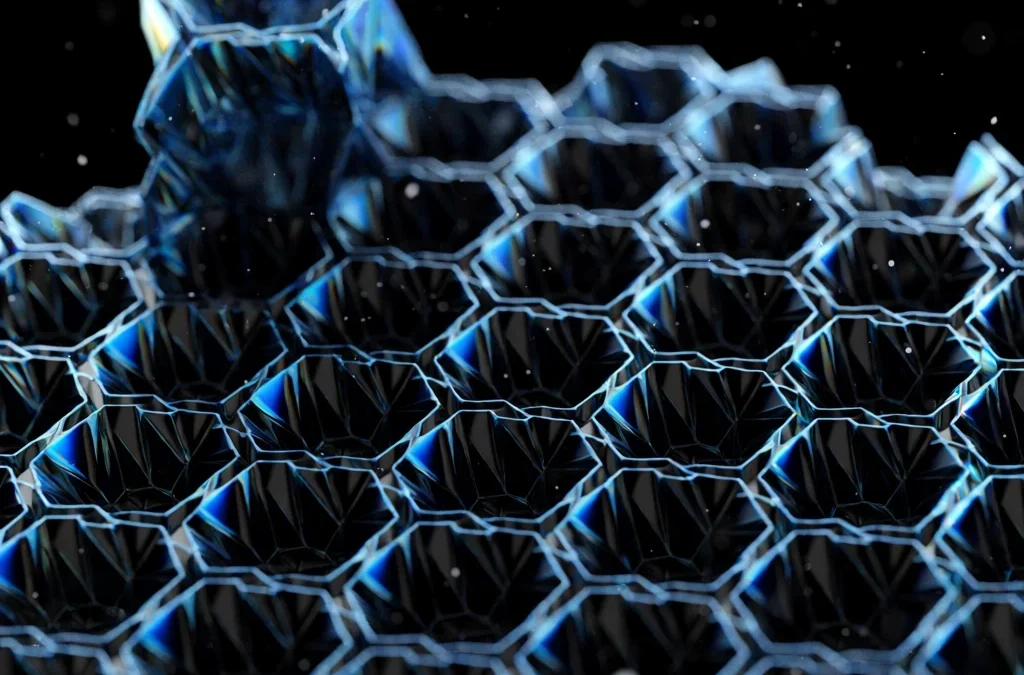 Imperfection, in the quantum laboratory, is not a nuisance to be eliminated but a resource to be harvested. A crystal lattice that appears flawless to the naked eye is, at the atomic scale, a landscape of vacancies, substitutions, and interstitial intruders—each one a...
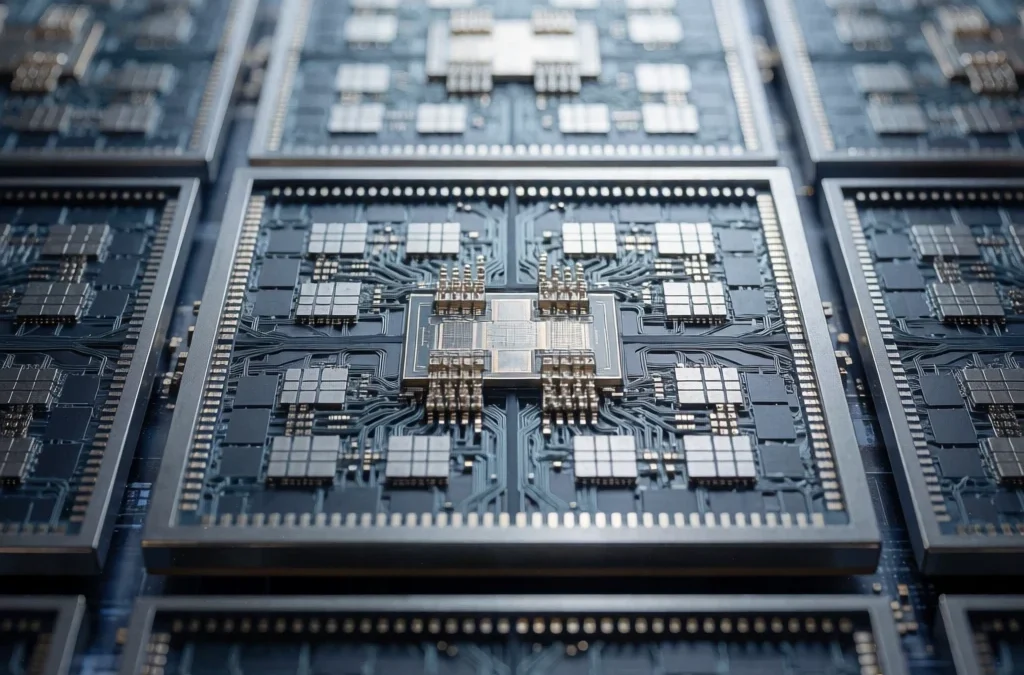 Quantum computing has spent two decades chasing headline numbers, and the industry has learned to celebrate them with almost liturgical regularity. A laboratory announces a single qubit with a coherence time measured in milliseconds, or a gate fidelity that creeps...
