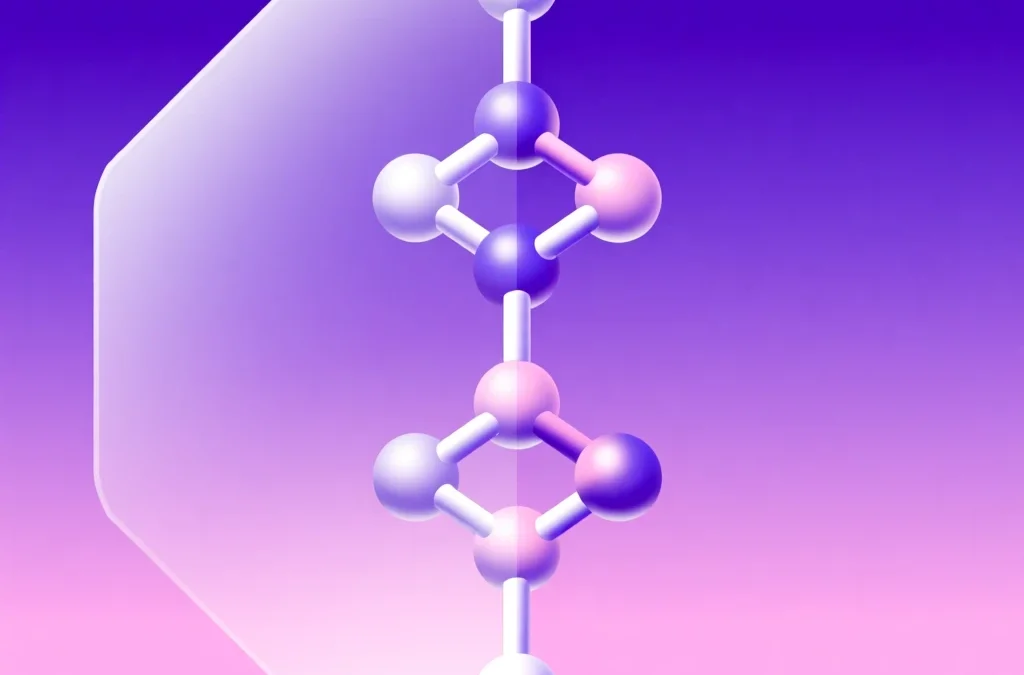
 Molecular flatness has quietly become one of the most consequential liabilities in modern medicinal chemistry, and the reason is deceptively simple: shape governs biological recognition. A drug molecule does not merely need the right atoms in the right order; it must...
For more than a century, biochemistry has leaned on a comfortable fiction: that water is the inert stage on which the drama of catalysis unfolds, a passive solvent that dissolves molecules and politely steps aside. That assumption is now collapsing under the weight of...
Boiling water appears to be the most ordinary act in any kitchen, yet beneath that familiar turbulence lies one of the most stubbornly unresolved problems in classical physics. A pot on a flame performs a phase transition that engineers still cannot fully predict,...
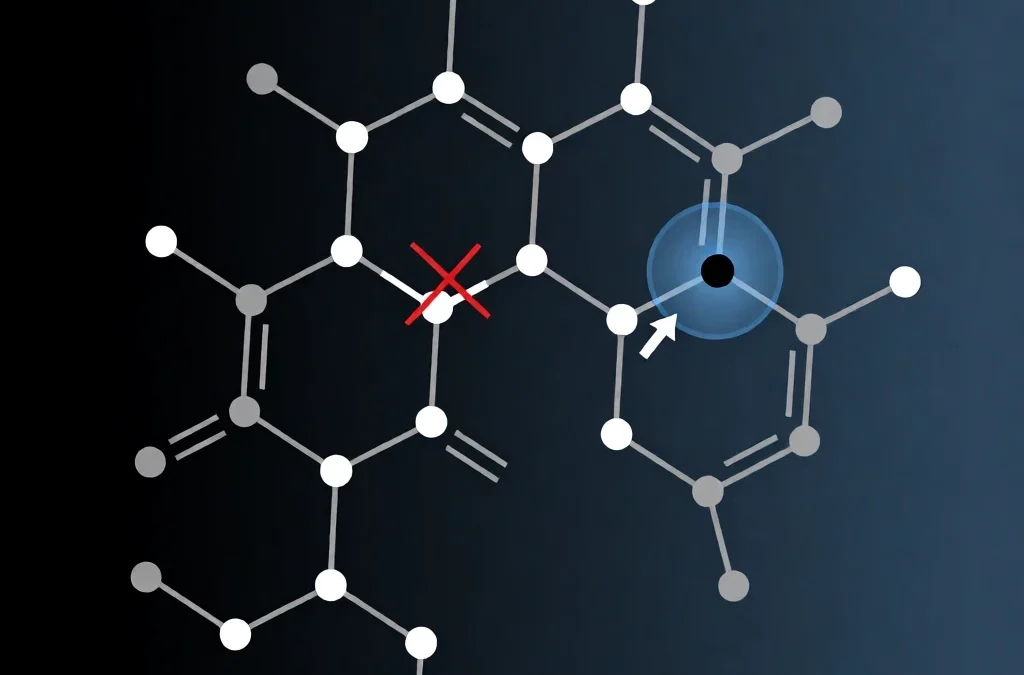 Medicinal chemistry has long operated on a costly assumption: that discovering a genuinely new drug requires building a genuinely new molecule, atom by atom, from the ground up. That assumption is now being dismantled by a discipline called skeletal editing, which...
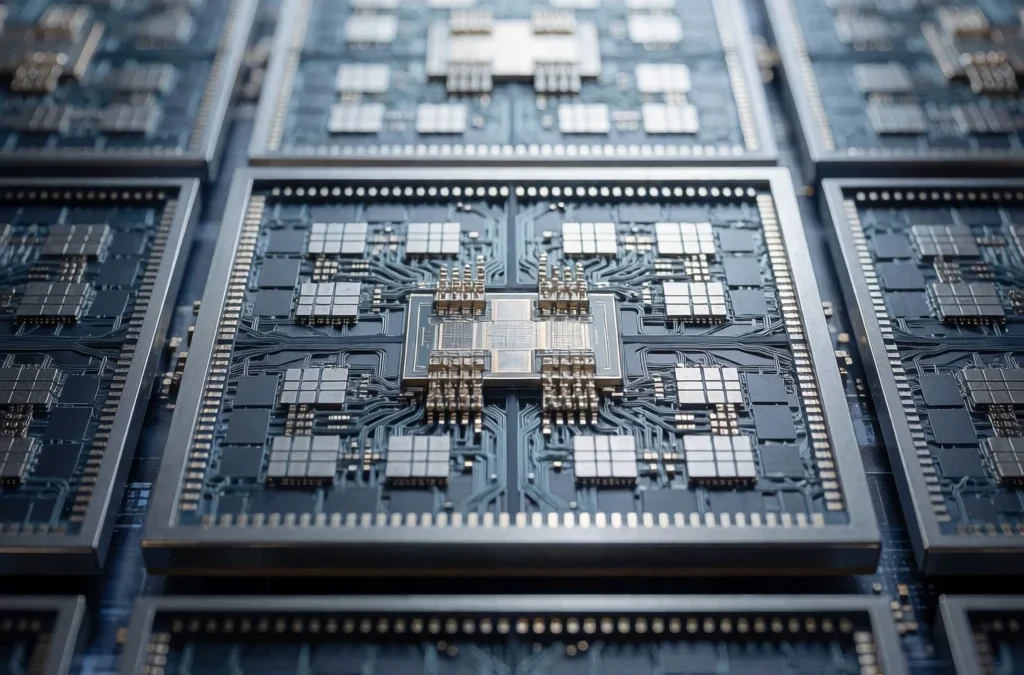 Quantum computing has spent two decades chasing headline numbers, and the industry has learned to celebrate them with almost liturgical regularity. A laboratory announces a single qubit with a coherence time measured in milliseconds, or a gate fidelity that creeps...
Parity is the oldest trick in arithmetic: a number is even or odd, and that single bit of information survives almost every operation you can perform on it. Physicists have quietly borrowed this humble classification for a century, using it to label wavefunctions,...
Modern science has become an exercise in mass interrogation. A single genomics experiment can probe twenty thousand genes at once, a clinical trial may monitor hundreds of biomarkers simultaneously, and a neuroimaging study can test tens of thousands of voxels in a...
 Artificial intelligence has crossed a threshold that chemistry has never confronted before: the systematic enumeration of nearly ten thousand plausible reaction pathways for converting carbon dioxide into fuels and industrial chemicals. This is not a laboratory...
Modern transit systems increasingly rely on modular architectures in which individual vehicle units dock and undock while the convoy remains in motion. This operational flexibility promises higher throughput, lower dwell times, and adaptive capacity that responds to...
 Population averages have long served as the default currency of clinical epidemiology, distilling millions of individual measurements into a single tidy number that policymakers and physicians can quote with confidence. Yet this convenience conceals a structural flaw:...
